

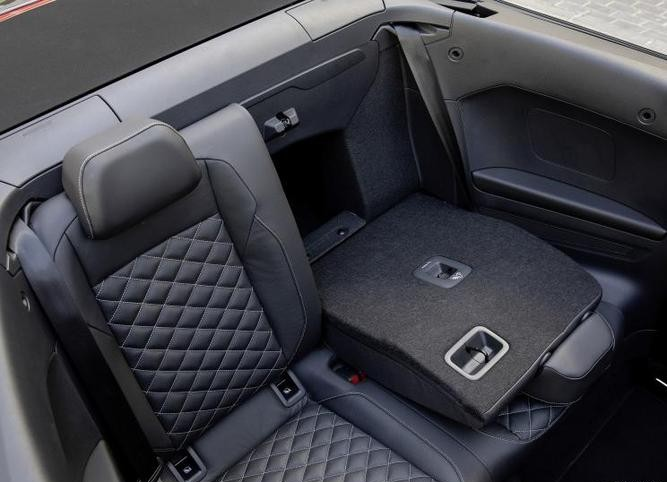
Introduction to Car Mats Production
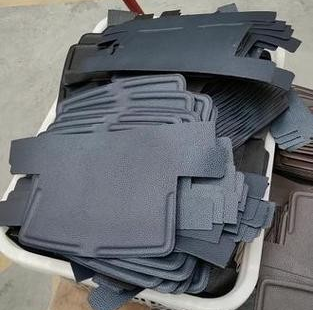
Advancements in Car Mat Manufacturing
For decades, the car mat market was dominated by two basic options: rubber and textile mats. However, breakthroughs in polymer technology revolutionized the industry, introducing mats made from advanced synthetic materials. These mats offer exceptional durability, odorlessness, and resistance to water and fire, while their structure effectively repels dirt and moisture. A critical factor in ensuring optimal performance lies in the precision of manufacturing techniques, particularly the integrity of welds and seams.
How Car Mats Are Manufactured
1.Design Phase:
The process begins with designing a mat tailored to the specific dimensions of a vehicle’s footwell. While universal models are common, certain vehicles with unique layouts demand bespoke sizing. This phase ensures the mat aligns seamlessly with the interior space.
2.Material Cutting:
Using a high-precision cutting knife, sheets of plastic (rubber, textile, or polymer) are shaped into the desired mat outline. This step guarantees dimensional accuracy and material efficiency.
3.Pattern and Edge Finishing:
Pre-cut patterns and edges are integrated to enhance both aesthetics and functionality. Edges serve a dual purpose: they provide a polished look and reinforce the mat against stretching or mechanical stress, ensuring longevity.
4.Installation of Fixings:
The final stage involves securing the mat in place using specialized fasteners. Options range from Velcro and floor-mounted hooks to universal eyelets or integrated mounting systems. Advanced machinery ensures precise installation of fastening elements, such as eyelets, to guarantee stability and safety.
This structured approach ensures car mats not only meet functional requirements but also adhere to stringent quality standards, reflecting advancements in material science and manufacturing precision.
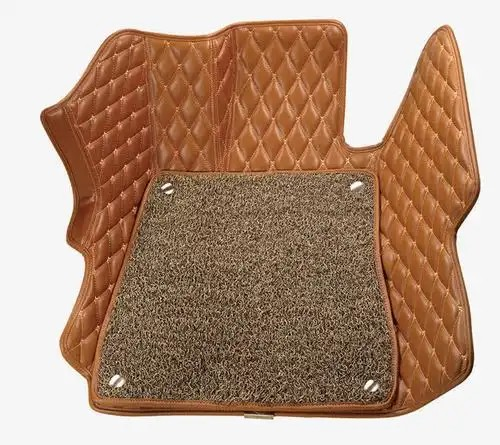
Quality Car Mats: Key Features and Manufacturing Considerations
When evaluating car mats, several core attributes define quality, irrespective of the material used. These features ensure functionality, safety, and user convenience.
Full Water Resistance:
A hallmark of quality mats is their ability to repel water entirely. This is achieved through a waterproof base layer that prevents moisture from seeping through, safeguarding the vehicle’s interior.
Slip Resistance:
Mats must remain securely in place to prevent movement during driving, which could compromise vehicle control. This is accomplished through reliable fastening mechanisms, such as Velcro or clips, and may include specialized textured bottom surfaces to enhance grip.
Ease of Cleaning:
The top layer’s design is critical. Bristles or fibers should efficiently absorb moisture and trap dirt while remaining short enough to allow straightforward cleaning. This balance ensures mats stay hygienic and visually appealing with minimal effort.
Precision Fit:
Tailoring mats to specific vehicle models is non-negotiable. A custom-fit design ensures seamless integration with the footwell, optimizing protection and aesthetics. This highlights the importance of meticulous design and manufacturing processes.
In summary, quality car mats prioritize waterproofing, stability, cleanliness, and precision fit. These attributes collectively enhance safety, comfort, and longevity, reflecting a commitment to excellence in both design and execution.
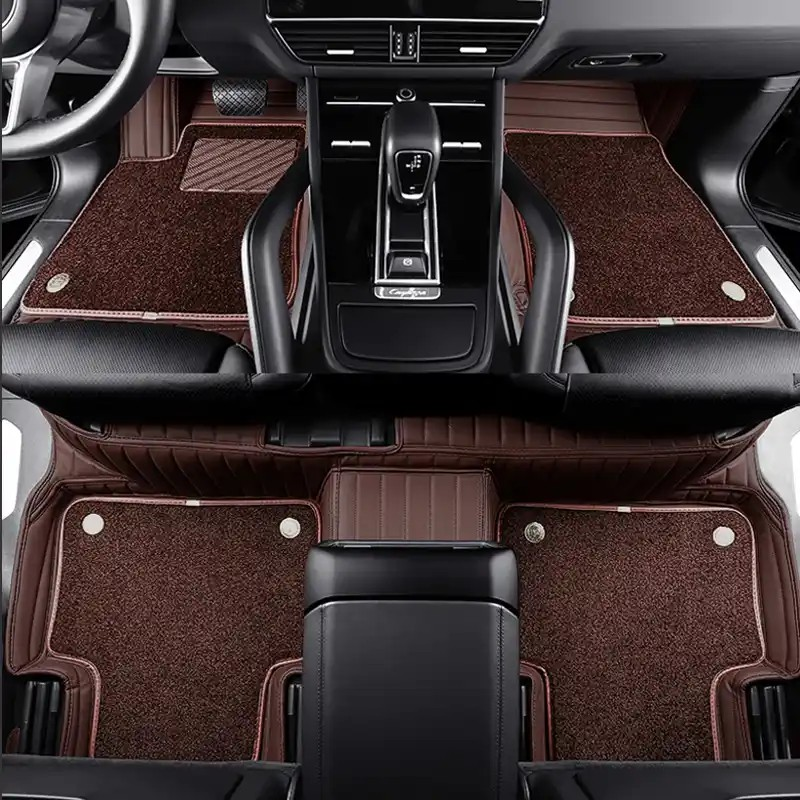
What machines are needed for car mat production?
The success of a project often hinges on selecting the right equipment, with high-frequency welding machines like the Hf Industrial Belt Machine and Outdoor High Frequency Welders playing a pivotal role. These tools are indispensable for seamlessly joining large, non-standard components—a necessity in high-volume production workflows. While eyelet machines and other equipment may complement the process, high-frequency welding ensures durability and precision, making it a cornerstone of quality manufacturing.
In the automotive sector, personalization is a key differentiator. High-frequency technology, such as the High Frequency Pvc Welding Machine, not only facilitates branding (e.g., logos or markings) but also enables advanced customization. For instance, manufacturers can design floor mats with reinforced heel pads tailored to the driver’s foot placement. This feature not only enhances the mat’s aesthetic appeal but also protects it from wear caused by prolonged pressure, extending its lifespan and user comfort.
Lanqing machines exemplify this innovation by offering specialized formatting capabilities, allowing for precise reinforcement in high-stress areas. By combining high-frequency welding with custom design, automotive accessories become both functional and uniquely tailored to the user’s needs.
What materials are commonly used in car mats production?
Car mats are frequently crafted from rubber, textiles, and synthetic polymers, each chosen for its distinct advantages in terms of resilience, aesthetics, and practicality.
How do manufacturers ensure car mats fit perfectly?
Manufacturers rely on meticulous design and precision cutting methods, often utilizing custom measurements and state-of-the-art machinery, to guarantee a seamless fit tailored to the vehicle’s interior dimensions.
What is the role of high-frequency welding in car mats production?
High-frequency welding is integral to forming robust, seamless bonds in car mats, enhancing their structural integrity and lifespan.
Why is slip resistance important in car mats?
Slip resistance is vital to prevent mats from shifting within the vehicle, which could otherwise compromise driver control and safety.
How are car mats customized for different car models?
Car mats are customized through sophisticated design workflows and advanced equipment that enable precise measurements, branding, and bespoke features.
What future trends are expected in car mats production?
Upcoming trends include the adoption of sustainable materials and expanded customization capabilities, aligning with the preferences of environmentally aware and style-conscious consumers.