

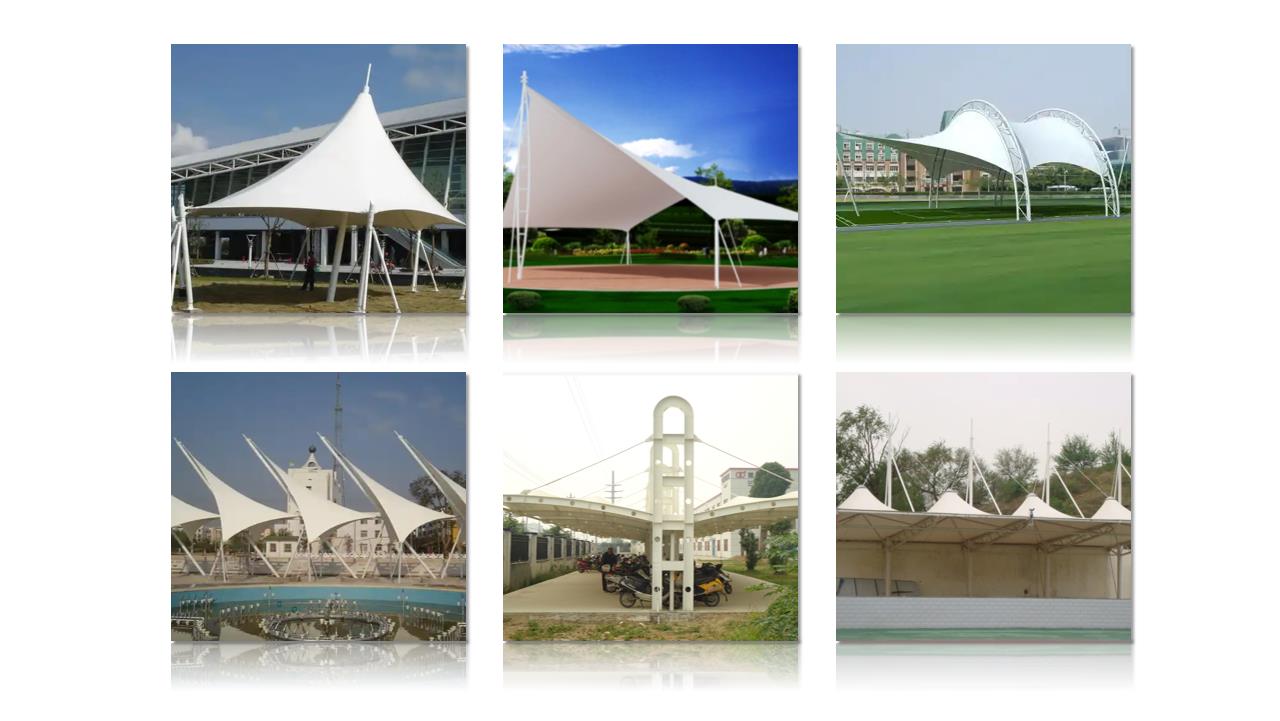
The Manufacturing Process of Tents: what does it look like and what machines are necessary?
The production of tents may seem relatively uncomplicated at first glance. However, when a tent is supposed to provide full protection against weather conditions while also being of above-average dimensions, the details become extremely important. This includes factors such as welding the individual material parts together and the precision of the material cuts.
What are tents made of? If we take a general overview of materials, you might be surprised. Nowadays, polyester is typically used as the base material for tents. It offers everything a producer would expect – lightweight, relatively low cost of raw materials, and high durability. However, it’s important to be aware that tents can also be made from nylon, fiber, PVC fabric, as well as cotton blends and canvas.
Specialized polyester stands out for its budget-friendly cost and robust weather resistance, though it requires regular impregnation treatments to maintain these protective qualities. Nylon, while lighter in weight than polyester, exhibits moderate vulnerability to tears and UV degradation from sunlight exposure, which may compromise longevity in harsh environments. Cotton-based fabrics excel in breathability, facilitating natural airflow to prevent moisture buildup and odors, yet their inherent density translates to higher costs and bulkier construction. This heft becomes impractical for frequent relocations but remains manageable in stationary camping setups. For extreme durability demands, polyvinyl chloride (PVC) delivers unmatched resilience across all climatic conditions. However, its substantial weight penalty makes it ill-suited for mobile applications, reserving its use for semi-permanent structures where portability is not a priority. Each material thus presents distinct trade-offs between cost, mobility, maintenance requirements, and environmental adaptability, necessitating careful alignment with specific usage patterns and priorities.
What machines should be used for tent production?
Another critical component in tent production lies in the cutting of sheathing panels. Beyond conventional tent manufacturing, these advanced systems support diverse applications: from promotional installations and event infrastructures to humanitarian solutions such as refugee shelters, circus venues, and trade show exhibits. Equally transformative are Tent High Frequency Welders and Hf PVC Membrane Structure Welding Machines, which enable precise, efficient seams critical for structural integrity, particularly in large-scale projects.
When investing in machinery for tent serial production, manufacturers should strategically target broader applications. While tents often evoke images of recreational shelters, their role in industrial and commercial settings has expanded significantly. Reinforced with durable materials and engineered for stability, oversized tents now function as dynamic display spaces—for instance, serving as seasonal outlets adjacent to retail hubs. Here, Tent Manufacturing High Frequency Welders and High Frequency Membrane Structure Welding Machines ensure airtight, weather-resistant seals, bridging the gap between temporary structures and permanent architectural solutions. This integration of cutting-edge welding technology not only enhances production efficiency but also unlocks innovative design possibilities across multiple sectors.Dual Pedal High Frequency Welders