

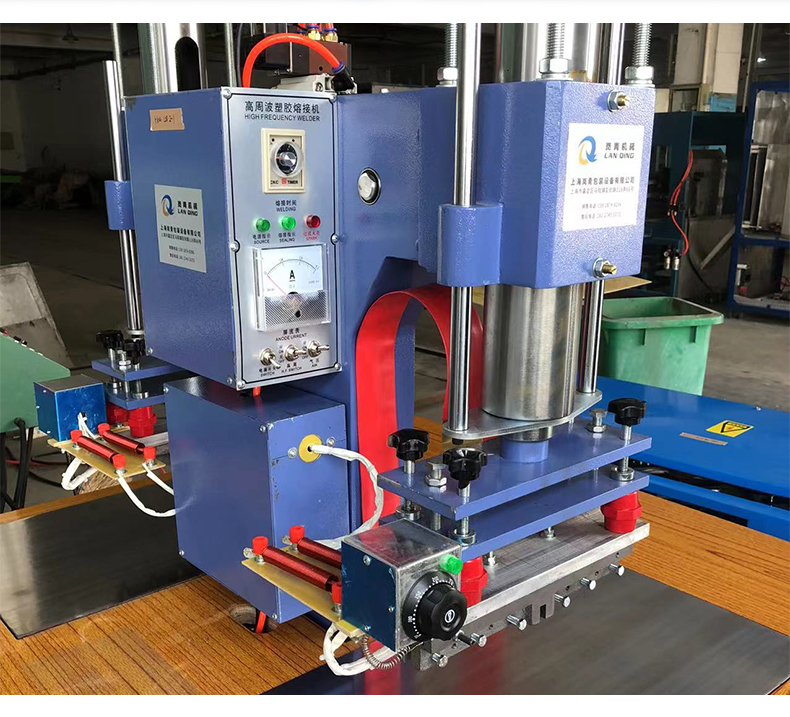
Machine operation guidelines, such as these:Automatic High Frequency Welders,Tent High Frequency Welders,Pet Pool Welding Machine
High frequency plastic welding machine safety operation guide:
1. Special personnel operation: This machine should be used by professionals familiar with its operating procedures and requirements to ensure accuracy and safety. Non professionals are strictly prohibited from operating it without authorization to prevent accidents and equipment damage.
2. Preheating and cooling: After turning on the panel power, the electronic tube needs to be preheated for 5 minutes, which helps the electronic tube work stably and extend its service life. When shutting down, first turn off the panel power, wait for 5 minutes for it to cool down, and then cut off the power switch to avoid damage to the electronic tube caused by sudden cooling and heating.
3. No movement: When the machine is turned on, it is strictly prohibited to move the machine because the internal electronic tubes are in working condition during operation. Moving may cause vibration, collision, etc. to the electronic tubes, resulting in damage and affecting the normal operation and service life of the equipment.
4. Prohibited liquids: Do not place any liquid objects on the machine. Once the liquid flows into the machine, it may cause circuit short circuits, component corrosion, and other faults, seriously affecting the electrical performance and stability of the machine, and even causing safety accidents.
5. Mold adjustment and maintenance: When adjusting or maintaining the mold, it is necessary to turn off the high cycle switch and automatic switch to prevent the mold from accidentally pressing down and causing pressure injuries to the operator, ensuring the personal safety of personnel during operation.
6. Cleaning and maintenance: When using this machine, the molds and plastic products should be kept clean. If there is dirt, impurities, etc. on the surface, it is easy to cause sparking under high-frequency action, which not only affects the welding quality, but also may damage the molds and equipment components, reducing the reliability and stability of the equipment.
7. Avoid contact: During the lifting, heating, and welding process of the upper mold, the operator must maintain a safe distance from the upper mold or upper electrode and must not come into contact to prevent compression or scalding accidents caused by the movement of the upper mold or high temperature, ensuring that the operator is protected from accidental injuries.
8. Grounding copper ring inspection: The grounding copper ring of the assembly line must be in reliable contact with the turntable. If the contact is poor, it may cause static electricity to accumulate on the turntable and the machine body, leading to hand burning, affecting the normal operation and welding effect of the equipment, and even posing a safety threat to the operators.
9. Preventing short circuits: During operation, direct contact between the upper and lower molds or electrodes is strictly prohibited to avoid excessive current caused by short circuits, which can damage the electronic components inside the machine, such as capacitors, resistors, transistors, etc., and ensure the normal and stable operation of the equipment's circuit system.
10. Single person operation: A designated operator should be responsible for the operation of the turntable, and other personnel are not allowed to participate in the operation or stand on both sides of the turntable. The turntable has a certain inertia and kinetic energy during rotation. If multiple people operate or surrounding personnel stand improperly, it is easy to cause dangerous accidents such as collision and entanglement, endangering personnel safety.
11. Shutdown steps: After using the machine, first turn off the high cycle switch and automatic switch, then jog the descent switch to lower the machine head and press the lower mold tightly, which helps maintain the stability and accuracy of the mold. Finally, disconnect the air source to ensure that the equipment is in a safe and stable state after shutdown, preparing for the next use.
12. High voltage maintenance: The machine contains high-voltage lines. Before carrying out maintenance work, it is necessary to cut off the power supply to prevent electric shock accidents. High voltage lines have high voltage and potential hazards, and maintenance can only be carried out in a power-off state to ensure the personal safety of maintenance personnel and the safe maintenance of equipment.
13. Air system maintenance: Before using this machine, it is necessary to remove the accumulated water in the compressed air filter water bottle. If the accumulated water enters the air system, it may corrode components, affect air pressure stability, and ultimately affect the welding effect. At the same time, lubricating oil should be replenished in the oil mist device in a timely manner, but not exceeding the indicated line. An appropriate amount of lubricating oil can help the smooth operation of pneumatic components, extend their service life, and ensure the normal working pressure and action accuracy of the equipment.
14. Regular lubrication: The moving parts of the machine need to be lubricated every 2 to 3 months to reduce friction and wear between components, ensure flexible operation of each moving part, improve equipment efficiency and stability, reduce equipment failure rates, and extend the overall service life of the equipment.
15. Heat dissipation maintenance: The bottom of the machine is the inlet of the cooling fan, and attention should be paid to cleaning debris at all times to maintain smooth ventilation. If debris accumulates and blocks the air outlet, it will cause poor heat dissipation of the cooling fan, resulting in high temperature of the electronic tube and damage to it, affecting the normal operation of the equipment and the service life of the electronic tube. Therefore, maintaining good heat dissipation conditions is crucial for the stable operation of the equipment.
Strictly following the above safety operation precautions can not only ensure the personal safety of operators, but also ensure the normal operation and service life of high-frequency plastic welding machines, improve production efficiency and product quality.