

1、 The most suitable plastic for welding
ABS (non crystalline plastic)
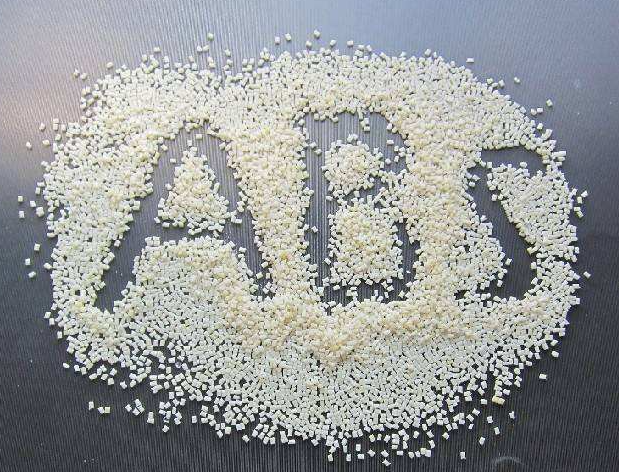
Characteristics: Lightweight with toughness and rigidity, excellent thermal conductivity, and molecular structure that easily conducts ultrasonic energy.
Welding performance: Short welding time, high strength, and less prone to material overflow or deformation.National Defense Clothing Foot Hf Welders
Applications: Automotive interiors, electronic product casings, toys, etc.Automated ultrasonic welding machines
PS (polystyrene, non crystalline plastic)
Characteristics: Transparent and hard, good insulation, high elasticity coefficient, high energy conduction efficiency.
Limitations: Brittle and complex structure welding may be limited.
Application: Toys, decorations, disposable tableware, etc.
2、 Comparison of other applicable plastics
|
Material type |
Representative materials |
welding characteristics |
precautions |
|
Non crystalline plastics |
PC、PVC、PMMA |
Disorderly arrangement of molecules, wide softening temperature range, easy to conduct vibration energy, good welding adaptability |
PC has a high melting point and requires extended welding time and pre drying |
|
Crystalline plastics |
PP, PE, PA (nylon) POM |
The ordered arrangement of molecules requires high amplitude/energy to break the crystal structure; PE/PP is difficult to weld due to its non-polar nature |
Rapid solidification after melting requires precise control of parameters |
|
engineering plastic |
PA、PBT、PET |
High strength but high melting point, high welding energy consumption; PA is prone to water absorption and requires pre drying |
High performance engineering plastics are more recommended for laser welding |
3、 Summary of Key Factors for Selection
Crystallinity: Non crystalline plastics (such as ABS, PS)>crystalline plastics (such as PP, PA).
Melting point and polarity: Low melting point, polar materials (such as ABS) are easier to weld; Non polar materials (such as PE) require higher energy.High frequency servo welders
Additive effects: Lubricants, plasticizers, etc. may reduce welding quality.
Thickness and hardness: Thin walled (1-5mm) and medium hardness materials have the best effect.
Conclusion: ABS has the best comprehensive performance and is the preferred material for ultrasonic welding; PS is secondary, but complex structural applications should be avoided. Other materials need to adjust equipment parameters based on crystallinity and melting point, and verify their effectiveness through actual testing.